Our Services
Search Engine Optimization (SEO)
SEO involves optimizing your website's content and structure to improve its ranking in search engine results. This is achieved by using relevant keywords, creating high-quality content, optimizing on-page elements, and building backlinks.
Benefits: Higher search engine rankings lead to increased organic (non-paid) traffic to your website.
Content Marketing
Content marketing focuses on creating and sharing valuable, relevant content to attract and engage a target audience. This content can be in the form of blog posts, articles, videos, infographics, and more.
Benefits: Content marketing helps establish authority in your industry, build trust with your audience, and drive traffic to your website.
Social Media Marketing
Social media platforms like Facebook, Instagram, Twitter, and LinkedIn are used to create and share content, engage with your audience, and run targeted advertising campaigns.
Benefits: Social media marketing can increase brand awareness, foster community, and drive traffic to your website.
Email Marketing
Email marketing involves sending targeted emails to a list of subscribers. These emails can contain promotional content, newsletters, product updates, or personalized recommendations.
Benefits: Email marketing can nurture leads, drive sales, and maintain customer relationships.
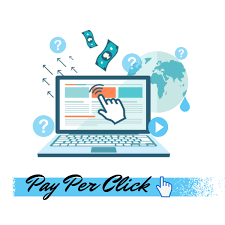
Pay-Per-Click (PPC) Advertising
PPC advertising, such as Google Ads, allows you to bid on keywords and display ads at the top of search engine results or on other websites. You pay when someone clicks on your ad.
Benefits: PPC can provide immediate visibility, target specific keywords, and drive traffic and conversions.
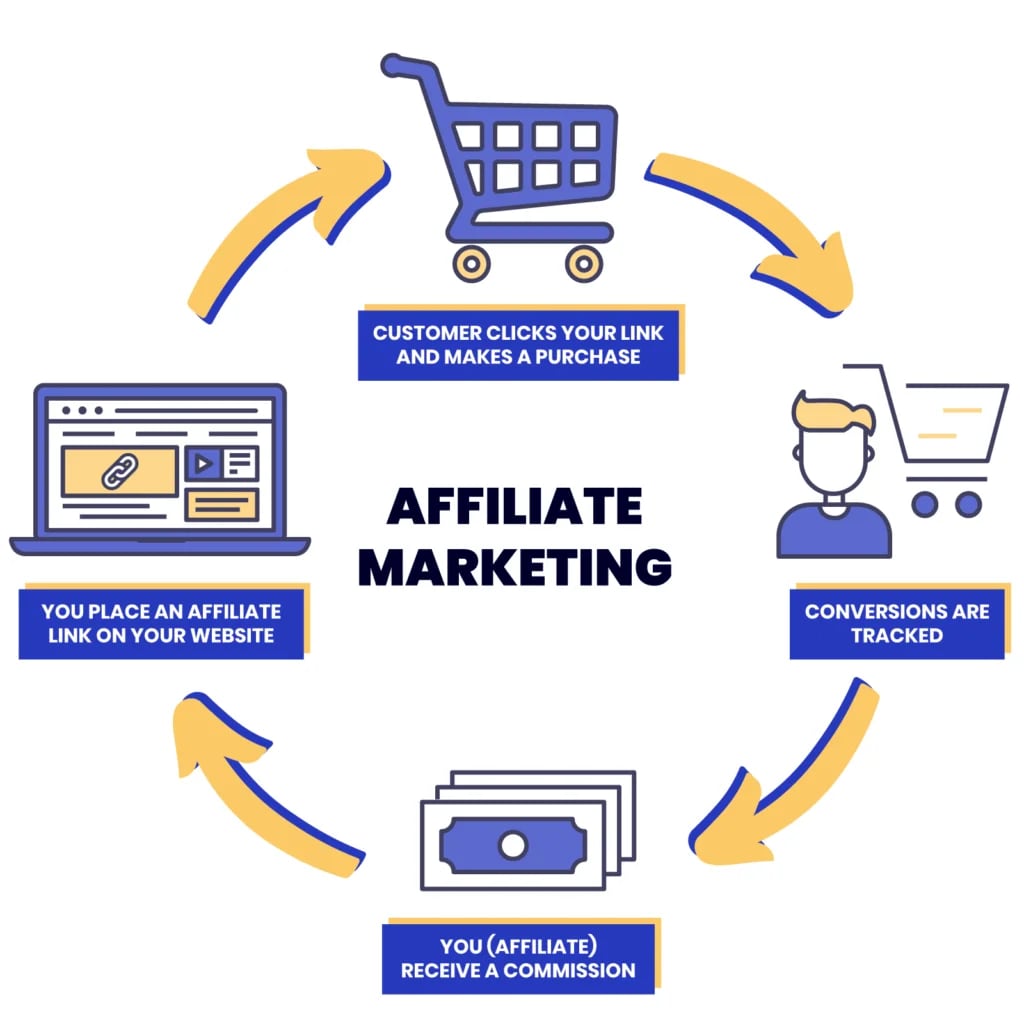
Affiliate Marketing
Affiliate marketing involves partnering with affiliates who promote your products or services in exchange for a commission on sales generated through their efforts.
Benefits: Affiliate marketing can extend your reach and drive sales through a network of affiliates.